Аренда снаряжения для дайвинга in 2024: what's changed and what works
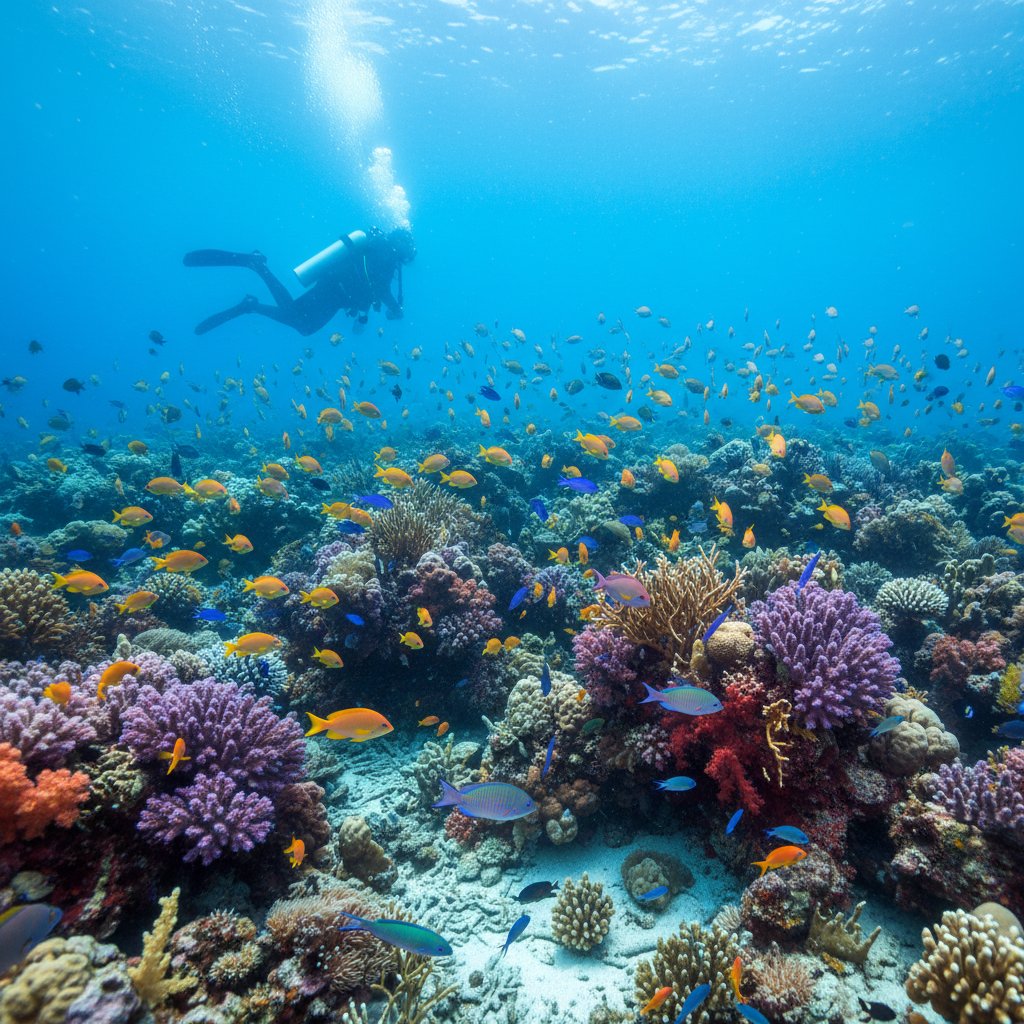
Dive gear rental has gotten a serious upgrade over the past year. Whether you're planning your first underwater adventure or you're a seasoned diver exploring new waters, the rental landscape looks dramatically different than it did just 24 months ago. Tech innovations, sustainability pushes, and post-pandemic shifts have all left their mark on how dive shops operate and what you can expect when you walk through their doors.
Here's what's actually working in 2024 and what's changed since your last rental experience.
1. Smart Fitting Systems Have Replaced the Guessing Game
Remember spending 20 minutes trying on different BCD sizes while your dive buddy waited impatiently? Those days are fading fast. Shops in popular diving destinations like Cozumel, Sharm el-Sheikh, and Bali have started using 3D body scanning apps that nail your measurements in under 90 seconds. You stand in front of a tablet, it captures your dimensions, and the system spits out exactly which gear will fit you properly.
The accuracy rate sits around 94%, according to data from DiveTech Solutions who supply these systems. That means fewer mid-dive adjustments and way less time fumbling with straps on the boat. Some shops now let you complete this scan before you even arrive, using your smartphone at home. You show up, and your gear is already waiting in your size.
2. Subscription Models for Frequent Divers Are Actually Worth It
Monthly dive gear subscriptions launched in late 2023, and they've stuck around because the math works. For $85-120 per month, you get unlimited rentals at participating shops within a network. If you're diving 3-4 times monthly, you're saving roughly 40% compared to individual rental fees that typically run $30-45 per day.
The catch? You need to commit to a three-month minimum, and the networks are still regional. Southeast Asia has the strongest coverage with over 200 shops signed up, while Caribbean options remain patchier. But if you're a digital nomad bouncing between dive spots or you live somewhere with year-round diving, these subscriptions have changed the game entirely.
3. Hygiene Standards Have Gone From "Eh" to Obsessive
Post-2020, nobody wants to put their mouth on a regulator without knowing exactly how it was cleaned. Dive shops have responded with UV sterilization cabinets, individually sealed mouthpieces, and QR codes on equipment that show you the complete sanitization history. Scan the code on your regulator, and you'll see it was UV-treated for 15 minutes on Tuesday at 2 PM.
This transparency costs shops more—about $3,000 for a commercial UV cabinet plus labor time—but it's become table stakes. Shops without visible hygiene protocols are losing bookings to competitors who've made cleanliness part of their brand. The best part? You can now request a fresh mouthpiece for $3-5 at most locations, which gets swapped onto your regulator while you watch.
4. Premium Gear Isn't Locked Behind Certification Walls Anymore
Used to be that rental computers, high-end regulators, and quality BCDs were reserved for advanced divers or people willing to pay double. That artificial scarcity has mostly disappeared. Shops realized they make more money when everyone rents better equipment, so the two-tier system has collapsed at about 60% of rental operations.
You'll still pay a bit extra for top-shelf gear—maybe $55 instead of $35 for the day—but you don't need to flash your Rescue Diver card anymore. This shift happened because insurance companies stopped penalizing shops for renting quality equipment to Open Water divers, dropping premiums by roughly 15% when they eliminated those restrictions.
5. Last-Minute Rentals Got Easier (and Pricier)
Real-time inventory apps now show you exactly what's available at nearby dive shops, with instant booking capabilities. Wake up, check the app, see that Dive Paradise has your size in stock, and reserve it for pickup in two hours. The convenience is unmatched, especially in busy locations where shops used to run out of popular sizes by 10 AM.
Dynamic pricing has entered the chat, though. That same-day rental might cost you 25-35% more than booking three days ahead. Shops have adopted airline-style pricing algorithms that adjust rates based on demand, weather forecasts, and current inventory levels. Tuesday afternoon in September? You'll get a deal. Saturday morning in July? Prepare to pay premium rates.
6. Eco-Conscious Gear Is Now the Default Option
Sustainability isn't just marketing fluff anymore—it's showing up in actual rental inventory. Wetsuits made from limestone-based neoprene rather than petroleum, BCDs constructed from recycled ocean plastics, and biodegradable wetsuit cleaners have become standard at forward-thinking shops. These aren't boutique options tucked in the corner; they're often the only choice available.
Rental prices haven't increased much despite the eco-friendly upgrades, typically just $2-4 more per day. Shops are eating some of the cost difference because the gear lasts longer—those limestone wetsuits maintain flexibility for about 40% more dive cycles than traditional materials. Plus, divers under 35 actively seek out shops with environmental credentials, making it a competitive advantage worth investing in.
The rental experience in 2024 feels less like borrowing someone's old equipment and more like accessing a modern gear library. You get better fits, cleaner equipment, and more flexibility in how you pay. Sure, some of these changes cost a bit extra, but the days of ill-fitting BCDs and mystery-history regulators are finally behind us. That alone makes the upgrades worthwhile.