Why most Аренда снаряжения для дайвинга projects fail (and how yours won't)
The Dive Shop Dream That Turned Into a Nightmare
Picture this: You've invested $40,000 in pristine BCDs, regulators, wetsuits, and tanks. Your rental shop sits in a prime coastal location. Three months later, you're bleeding money, half your equipment needs repairs, and you're seriously considering selling everything on Craigslist.
Sound familiar? About 68% of dive gear rental operations either fold or drastically scale back within their first two years. The culprit isn't bad luck—it's a handful of predictable mistakes that sink even the most passionate underwater entrepreneurs.
The Hidden Killers Nobody Warns You About
Most rental operations crash because owners treat their venture like a simple transaction business. Rent out gear, collect money, repeat. Wrong.
The Maintenance Money Pit
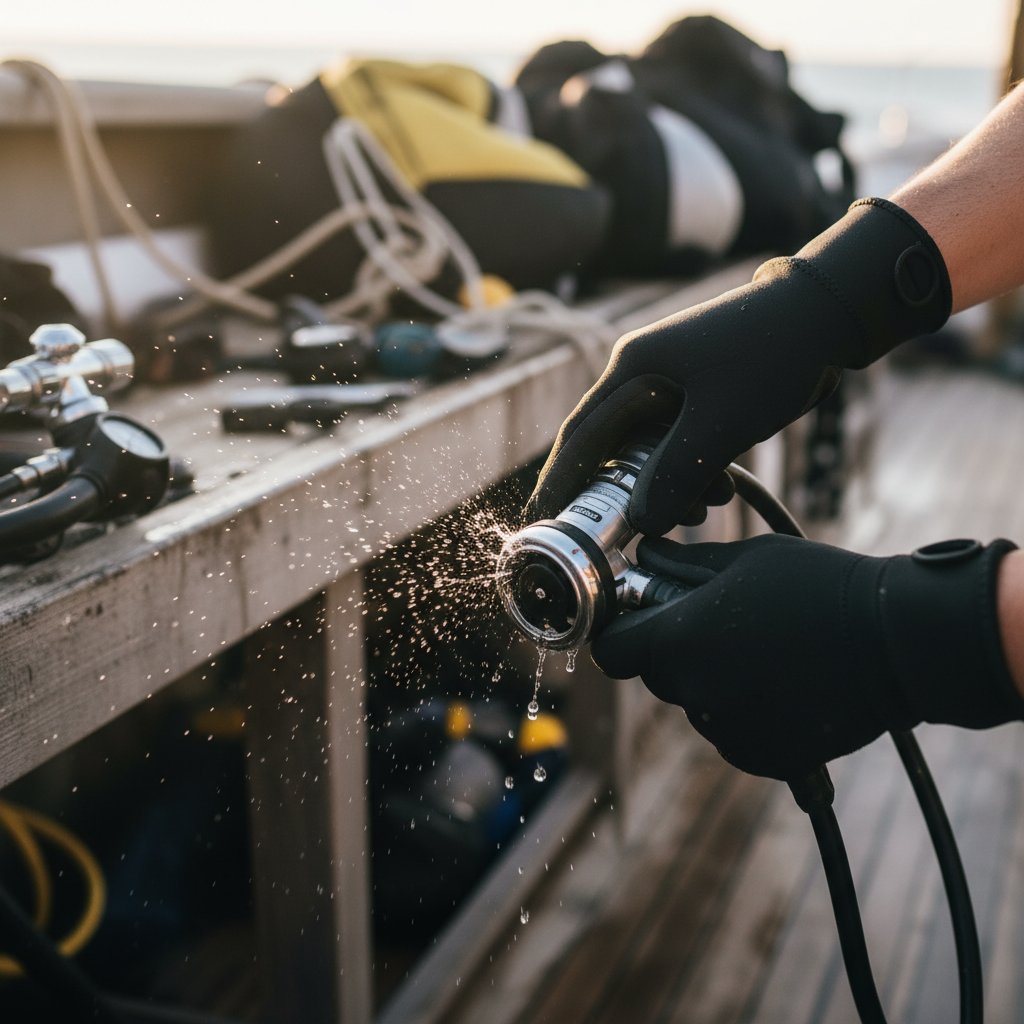
Here's what actually happens: A regulator that costs $450 new requires servicing every 12 months or 100 dives—whichever comes first. That's $75-120 per service. Multiply that by 20 regulators, and you're looking at $1,500-2,400 annually just for one equipment category.
But wait, there's more. Salt water is merciless. BCDs develop pinhole leaks. Zippers corrode. O-rings fail at the worst possible moments. One operator in Thailand told me he was spending 23% of his revenue on repairs and replacements during peak season. His initial budget? 8%.
The Inventory Guessing Game
You stock fifteen large wetsuits because most divers are men, right? Then a yoga retreat books your shop for twenty women who all need mediums. Or you've got plenty of size 9 booties when everyone showing up wears size 11.
Poor inventory planning creates two nightmares simultaneously: money sitting unused on shelves while you turn away paying customers.
The Liability Blindspot
A faulty tank valve. An improperly maintained regulator. These aren't just bad reviews—they're lawsuits waiting to happen. One dive shop in Florida faced a $2.3 million claim when a rented BCD's inflator stuck during ascent. Their insurance? Capped at $1 million because they'd misclassified their risk category to save $180 monthly.
Warning Signs Your Operation Is Heading Underwater
Watch for these red flags:
- You're refusing more than 15% of rental requests due to size/availability issues
- Equipment returns are taking longer than 30 minutes to process and prepare for the next customer
- You can't immediately locate maintenance records for each piece of gear
- Your insurance agent doesn't specialize in dive operations
- Customers are waiting more than 10 minutes for equipment fitting
The Four-Step System That Actually Works
Step 1: Build Your Fleet Around Data, Not Assumptions
Before buying anything, analyze 90 days of booking inquiries from established shops in similar locations. One Caribbean operator discovered that 40% of his market was Asian tourists averaging 5'4" to 5'8"—completely different from the 6-foot American demographic he'd assumed.
Start with a 60/40 split: 60% of your budget on the most-requested sizes and configurations, 40% spread across the range. Track every rental refusal for six months, then adjust.
Step 2: Implement Militant Maintenance Protocols
Each piece of equipment gets a physical logbook—yes, actual paper. Digital systems fail when your tablet dies during a busy morning. Log every rental, every rinse, every inspection.
Set hard limits: Regulators get serviced every 80 dives or 10 months, no exceptions. BCDs get inspected after every fifth use. This seems excessive until you realize that scheduled maintenance costs 70% less than emergency repairs.
Step 3: Price for Reality, Not Competition
If the shop down the beach charges $45 for a full equipment package, and you need to charge $58 to cover actual costs plus maintenance reserves, charge $58. Explain exactly why: "Your regulator was serviced last month by a certified technician. Here's the sticker."
Competing on price in equipment rental is a race to bankruptcy. Competing on safety and reliability? That's a business model.
Step 4: Create a Customer Qualification Process
Not every diver should rent from you. Seriously. Implement a two-minute conversation that covers certification level, last dive date, and experience with your specific gear types. This prevents 90% of underwater problems and nearly all liability issues.
The Boring Stuff That Saves Your Business
Set aside 18-22% of gross revenue in a maintenance reserve account. Don't touch it for anything else.
Photograph every piece of equipment before and after each rental. Takes 30 seconds, prevents countless disputes.
Replace, don't repair, any life-support equipment that's been damaged. A $450 regulator isn't worth a million-dollar lawsuit.
Your dive gear rental operation won't fail because the market dried up or competition got fierce. It'll fail because you treated it like a passive income stream instead of the maintenance-intensive, detail-obsessed business it actually is. Now you know better.